News
‘Salt and human health’: Science and the marine diet
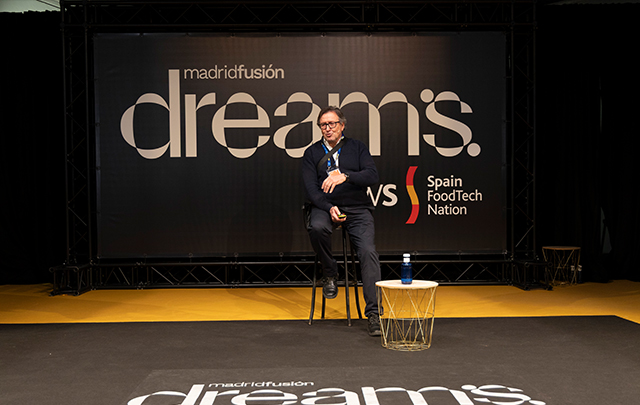
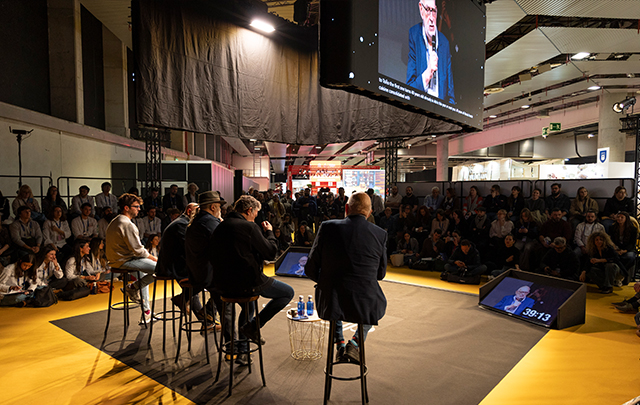
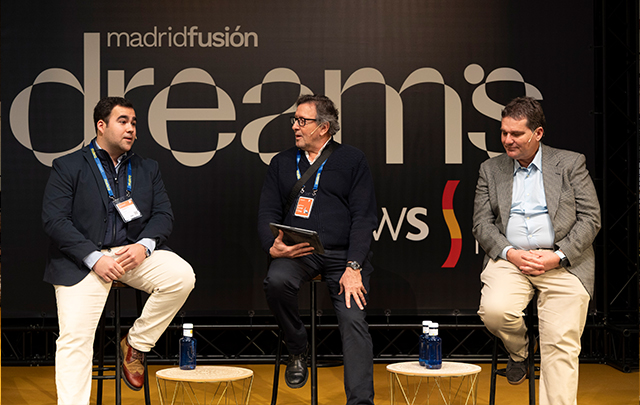
Carlos Duarte reviews the millennial role of salt in well-being, health, and the economy for thousands of years at Dreams in Madrid Fusión
Is salt as harmful as we think? No. Quite the contrary. Salt has been, is, and will continue to be at the heart of life and our civilisations. This is according to marine biologist Carlos Duarte, who has long studied the impact of sodium chloride on health – it is decisive – and on our civilisation, seeking strategies to balance flavour, tradition and physiological and economic well-being.
Crucial to our health and diet—in moderation, no more than five grams of salt per day, although in Spain we consume twice that amount—its excessive consumption has alternatives ‘such as fusion salts, derived from algae and other marine organisms’, explains Duarte.
A world-renowned scientist, Duarte explores the role of salt in all aspects of human life. With a practical and scientific approach, he explained at Madrid Fusión's Dreams how salt has contributed to our well-being for thousands of years. ‘It has been used as a condiment for 5,000 years, but has been known for at least 14,000, and is currently experiencing a renaissance’, he said. ‘The salt of life was the currency of antiquity, and continues to increase in value today, not only for gastronomic excellence, but also for keeping us healthy and providing solutions to energy and construction problems’, said the expert.
He explained how seawater contains five grams of salt per litre, most of which is sodium. ‘But there is chlorine, sulphate, magnesium, calcium, potassium, and other constituents, including gold, silver, lithium, and other valuable elements’. ‘Salt contains practically all the elements of the periodic table’, he said.
Salty and saline
We are also salt. ‘Humans are salty and saline bodies. We are 70% water, but human blood has 0.8% salt, and the percentage is very high in tears, for example’.
Salt is also crucial to our health. ‘Acidity is the enemy of human health, while salt is life. Salt contributes to the alkalisation of the body, digestion, the formation of nutrients, facilitates detoxification, provides us with essential nutrients, helps us recover from colds, flu and congestion, improves the condition of cells, and prevents excess cholesterol’, he listed.
However, excess comes at a price. ‘Excess sodium, especially, which is so prevalent in ultra-processed foods, exceeds that of natural foods by four or five times.
One of the solutions to excessive sodium consumption is salts derived from marine organisms such as seaweed, not from the evaporation of seawater. They are called fusion salts, and significantly reduce the amount of sodium we ingest, provide antioxidants and nutritional supplements, and enhance the flavour of food’, he said.
Salt has also been found to be an effective energy storage medium. ‘Solar energy is stored in salt at high temperatures and can be used to produce electricity, even in the absence of sunlight. Salt has been shown to stabilise energy networks and prevent or mitigate blackouts, such as the one suffered last year’, he said.
Salt is also used in the production of hydrogen as an energy source. ‘Lithium can be extracted from seawater with excellent electrochemical efficiency. It could be extracted indefinitely from seawater’, he said. Salt is also used as a building material, as has been done for centuries in Syria, Ethiopia and Mali. ‘There is a salt-based concrete with 40% of its mass coming from brine, which also absorbs carbon dioxide, making it a very climate-friendly material’, he said.
The economic value of salt was, is and will continue to be ‘decisive’, with China as the world's largest producer, followed by the United States, India, Germany, Australia, Canada, Chile, Mexico, Turkey, Russia, and Brazil.
Related news
News
Madrid Fusión Alimentos de España relaunches its leadership as a comprehensive meeting platform for the international gastronomic community
News
Toni Massanés: ‘The cuisine of tomorrow will be sustainable or it will not be
‘We spend more than two hours a day on TikTok and we can't find two minutes to make a parsley omelette’, laments the creator of the Alicia Foundation
News
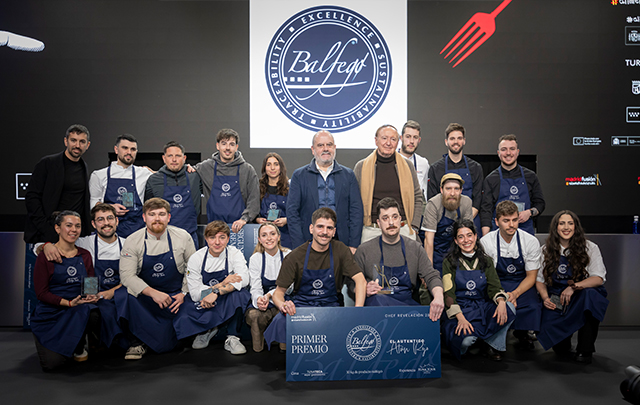
Javier Ochoa and Garikoitz Arruabarrena (Masta Taberna) win the Revelation Chef award for their haute cuisine without pretensions
News
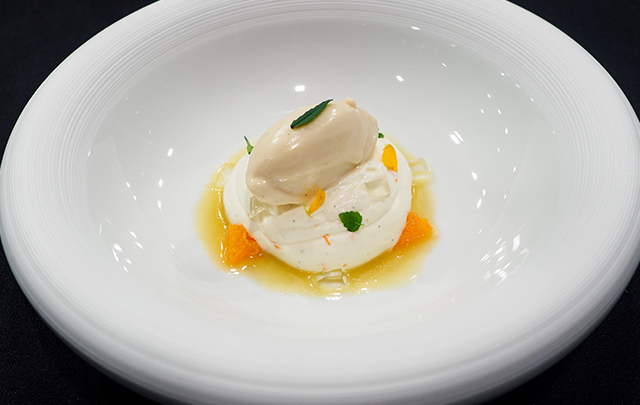
A Christmas-inspired dessert wins the Revelation Pastry Chef Award
Miguel Yeste, from the Madrid bakery Obrar, wins the coveted Madrid Fusión award
News
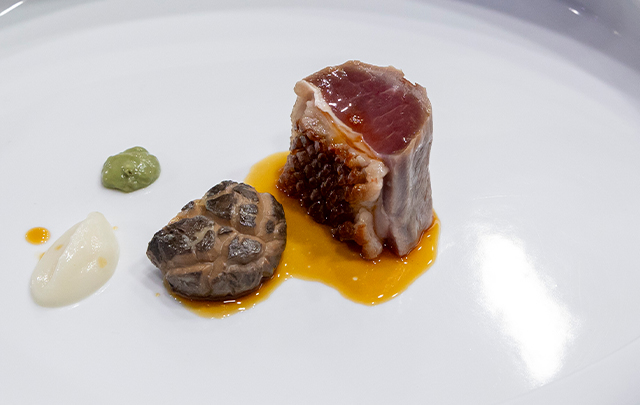
Good kilometre product
Madrid, the Neapolitan countryside, and the Philippines are stops on a gastronomic journey in which the protagonists focus on quality and relationships, rather than distance from the source
News
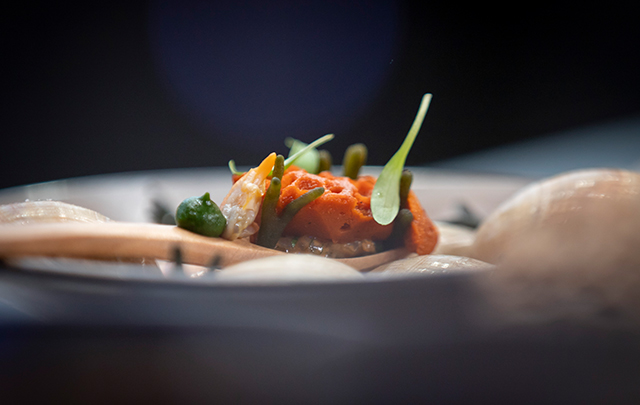
A philosophy inspired by nature
Gil Fernandes' cuisine, nestled between cliffs and forests, draws on local produce that the chef gathers with his own hands
News
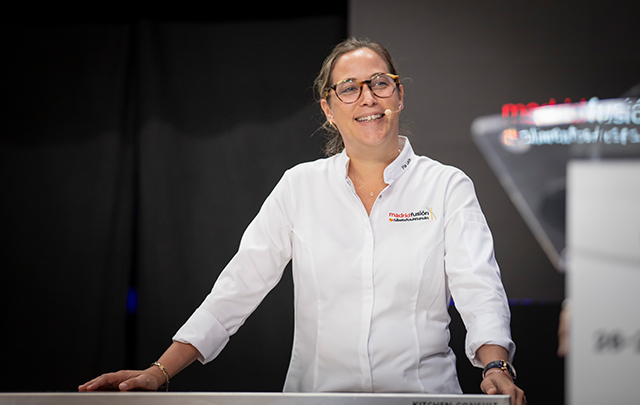
All the flavours of Peru on one table
Chef Pía León researches the uses of little-explored ingredients, which she also uses not only for cooking in her restaurant Kjolle
News
Genetic vertigo to create the food of the future
José Miguel Mulet, Professor of Biochemistry and Molecular Biology at the Polytechnic University of Valencia, speaks about genetic modification applied to food in the Dreams section of Madrid Fusión
News
Chefs warn at Madrid Fusión of the clash between legislation and gastronomic reality
News