News
Genetic vertigo to create the food of the future

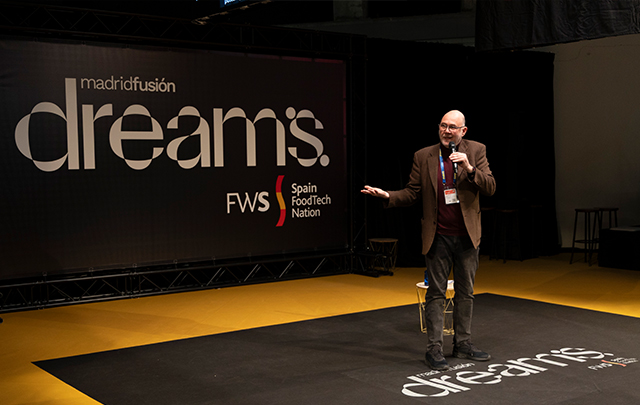
José Miguel Mulet, Professor of Biochemistry and Molecular Biology at the Polytechnic University of Valencia, speaks about genetic modification applied to food in the Dreams section of Madrid Fusión
‘Genetic modifications that used to take two decades can now be done in a few months’. This is explained by José Miguel Mulet, Professor of Biochemistry and Molecular Biology at the Polytechnic University of Valencia, in the Dreams section of Madrid Fusión 2026. CrisPR is the magic word that is revolutionising genetics in livestock and agriculture. The dizzying genetic accelerator that will create the food of the future.
CrisPR is a revolutionary genetic editing tool, a pair of ‘molecular scissors’ that allow DNA sequences to be cut, inserted or modified with precision in living cells. Derived from a bacterial immune system, it uses a guide RNA to locate specific sequences and the Cas9 protein to make the cut, facilitating disease treatments, agricultural improvements, and biotechnological advances.
‘CrisPR modifies DNA without incorporating anything from outside. It is not a transgenic because there is nothing foreign in it. Transgenic is cutting and pasting, and this is different’, Mulet explains. ‘There are already animals modified by CrisPR that you can eat, such as non-toxic varieties of puffer fish. In the United States, two types of pigs have been approved that suffer less from the climate and are better adapted to heat, and three months ago, Argentina presented a breed of horses that builds more muscle and is suitable for playing polo’, explained Mulet.
‘There are some very powerful developments coming in livestock genetics’, he warns. ‘We can introduce fat into meat and turn an unpopular breed into a premium breed’. he gave as an example. The path has been different for plants. ‘Agriculture began before livestock farming. We have domesticated many plants, but very few animal species. Now, the challenge is to produce plants that are viable in the face of climate change. To make plants that are not nutritious more nutritious, for example by adding vitamin A to rice, or enriching cereals such as wheat and maize with iron.
‘Genetic selection is a reality that significantly improves the production of goats, sheep and cows’, said Rafael Valenzuela, representative of the Royal Spanish Federation of Select Livestock Associations. Other challenges are being considered, such as harnessing methane from cows, closed farms, capable of using bio-fermenters and biodigesters in closed circuits.
What and how will we eat in the future? How will genetics change our diet? What ethical and moral challenges do we face? Will we modify animals and plants at will? Will there finally be food for everyone? Genetics holds many answers to these questions. It plays an increasingly important role in food innovation, whether in laboratory research or in production on farms or fish farms. Scientific innovation is often invisible but ‘highly transformative’, as José Miguel Mulet pointed out in Dreams, a space for generating conversation and debate between science and the primary sector, exploring how innovation at the origin of the food chain can redefine the food of the future.
Related news
News
Madrid Fusión Alimentos de España relaunches its leadership as a comprehensive meeting platform for the international gastronomic community
News
Toni Massanés: ‘The cuisine of tomorrow will be sustainable or it will not be
‘We spend more than two hours a day on TikTok and we can't find two minutes to make a parsley omelette’, laments the creator of the Alicia Foundation
News
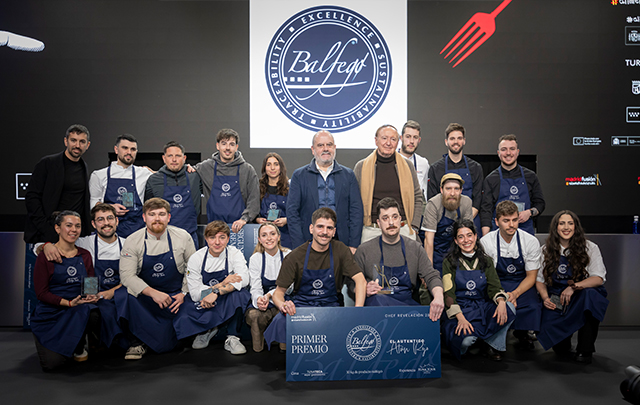
Javier Ochoa and Garikoitz Arruabarrena (Masta Taberna) win the Revelation Chef award for their haute cuisine without pretensions
News
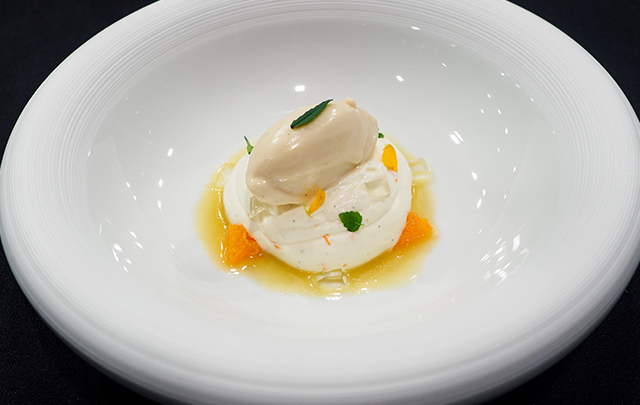
A Christmas-inspired dessert wins the Revelation Pastry Chef Award
Miguel Yeste, from the Madrid bakery Obrar, wins the coveted Madrid Fusión award
News
Good kilometre product
Madrid, the Neapolitan countryside, and the Philippines are stops on a gastronomic journey in which the protagonists focus on quality and relationships, rather than distance from the source
News
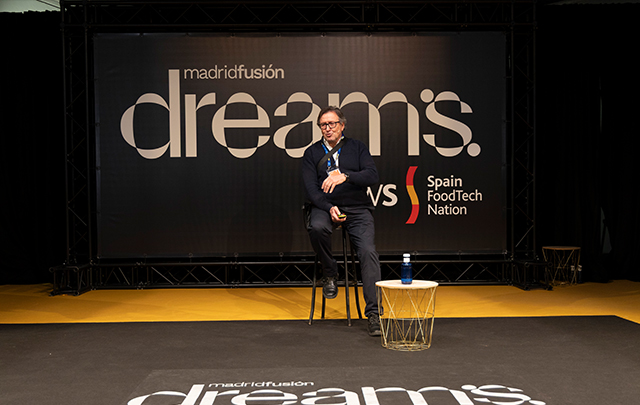
‘Salt and human health’: Science and the marine diet
Carlos Duarte reviews the millennial role of salt in well-being, health, and the economy for thousands of years at Dreams in Madrid Fusión
News
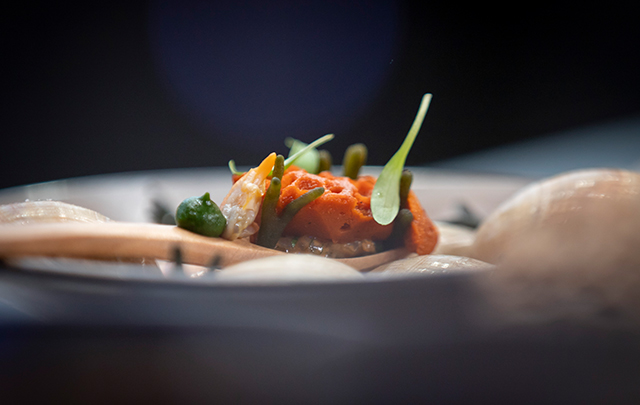
A philosophy inspired by nature
Gil Fernandes' cuisine, nestled between cliffs and forests, draws on local produce that the chef gathers with his own hands
News
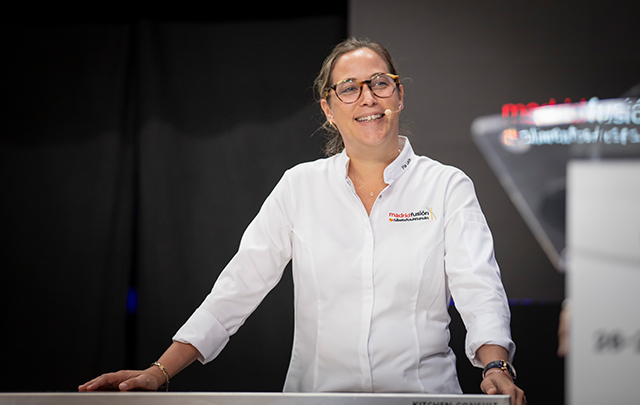
All the flavours of Peru on one table
Chef Pía León researches the uses of little-explored ingredients, which she also uses not only for cooking in her restaurant Kjolle
News
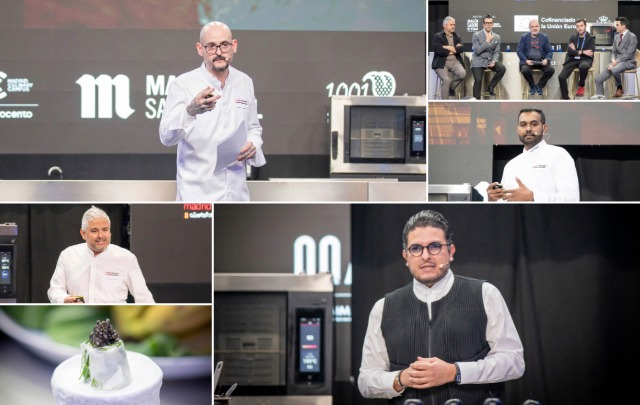
Chefs warn at Madrid Fusión of the clash between legislation and gastronomic reality
News