News
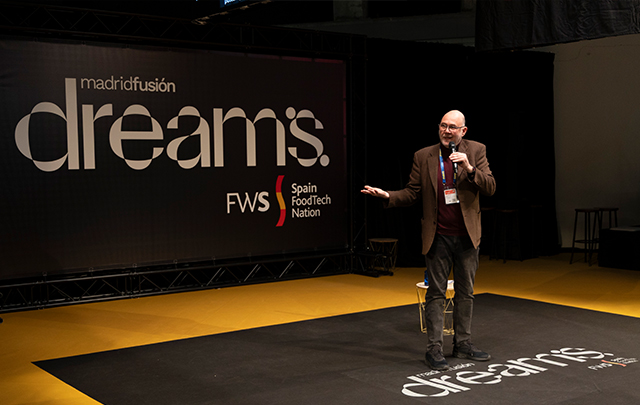
Culinary medicine, nutrition for athletes, and the generational challenge were the focus of the second session of Dreams #SpainFoodTechNation
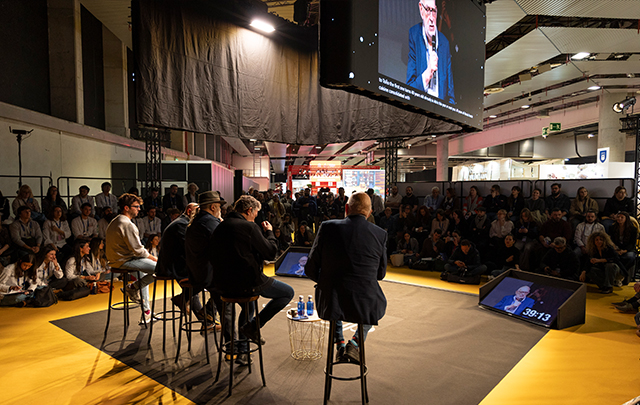
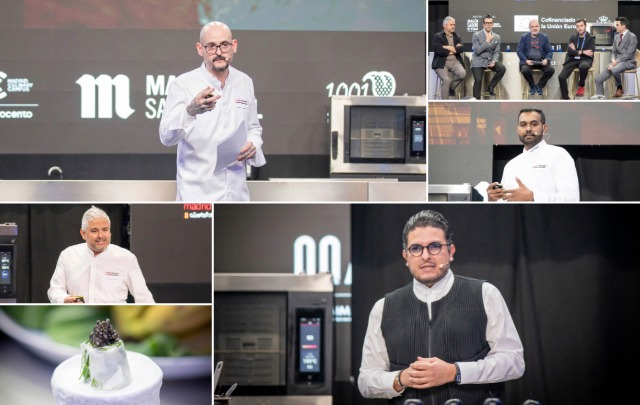
In addition to the latest advances in agrotech and the impact of AI on food, the Dreams#SpainFoodTechNation stage dedicated its second day to two major themes: medical gastronomy, including sports nutrition, and the future of a profession, that of today's chefs and those yet to come, who must ensure the future of Spanish catering.
While using textures in catering is disruptive, in contexts such as health it is essential. This was demonstrated in the workshop led by the Alícia Foundation, which presented techniques for preparing tasty, nutritionally complete and visually appealing dishes that improve the quality of life of people with special dietary needs on a daily basis. But we must not only seek ‘solutions that are accessible but also organoleptically appealing’, explained nutritionist Fabiola Juárez. For his part, chef Marc Puig Pey, head chef at the Alícia Foundation, warned that these solutions ‘must also be extended to catering, so that people affected by this condition can enjoy food in the same way as everyone else’.
Another round table discussion addressed nutrition for athletes, in which María Antonia Lizárraga, a specialist in Physical Education and Sports Medicine, warned that the key to the diet of elite athletes ‘can be extrapolated to anyone who wants to eat healthily; you just have to listen to your own body’. Lucía Almendros, a clinical nutritionist, suggested that chefs should be more involved in designing diets that are not only effective but also enjoyable. ‘Athletes are human beings, subject to great pressure, so we must be empathetic and also support them in their emotional hunger’, added Vinicius Martini Capovilla, head chef for the Australian national football team.
Without straying from the topic of health, Dreams#SpainFoodTechNation addressed the concept of ‘Food as Medicine’, referring to how certain foods impact health beyond basic nutrition. ‘A concept that has existed for 2,500 years is the use of foods that, although they do not cure, modulate our health and should have a more holistic approach and not be limited to supplementation’, said Elena Roura, scientific director of the Alícia Foundation. Specifically, Valentín García Alcocer, vice president of innovation strategy at Eatable Adventures, has focused his current work with start-ups ‘on trying to fill niches in demand that are not yet covered, such as substitutes that eliminate the side effects of foods, such as tachycardia with coffee, the glycaemic spikes of chocolate, or the use of tannins for rejuvenation in cosmetics’, he explained, while ‘others address medical conditions, providing solutions such as 3D-printed foods for patients with dysphagia’.
Be more critical and invest in technology to gain efficiency
‘More than 30% of fake news circulating on the Internet is related to food and gastronomy, and it is seven times more viral than the rest’, denounced Luis Martín, director of Digital Business and director of AI Solutions at Llorente y Cuenca, in his presentation, which is due to ‘its emotional component and its simplicity, as it eliminates any kind of nuance’. This problem is accelerating with the advent of AI and, according to the expert, can only be combated by ‘consulting real sources to be more critical and undermine the authority of ChatsGpts’. He recommended that companies and brands ‘learn to value what AI says about their businesses in order to control the narrative, because’, he said, ‘in the age of AI, consumer confidence is defended in advance; reaction is useless’.
Dreams also addressed innovation in techniques and foods that help meet the challenges of the future of global food. Such is the case with alternative proteins, an industry that ‘in Spain, levels are very low compared to countries such as England or Germany, because it is very difficult to introduce them into our gastronomic culture’, explained Jaime Martín, partner and CEO of the consulting firm Lantern.
The mistake, according to the expert, is ‘trying to imitate the original food, as this will never be achieved and will lead to disappointment, so we must try to create new and exclusive solutions that will win over even non-vegetarian palates’, he said. This idea is fully shared by Jess Padilla, executive director of Food & Agri Tech Europe (FATE), who believes that ‘chefs should play a more active role in designing new creations’.
And the search for new efficient systems that can meet humanity's high demand has brought Dreams to the exemplary agricultural ecosystem of Almería, whose enormous expanse can be seen from space, and has turned a land as inhospitable as the desert into a fertile community that supplies the whole world.
The future of haute cuisine is guaranteed
Spanish haute cuisine is undergoing a profound transformation, driven by social, economic, technological, and generational changes, which poses significant challenges and opportunities for the younger generations. Is the future assured? The answer from today's leading figures is YES. In the words of Albert Adrià, chef at the Enigma** restaurant in Barcelona, ‘there have never been so many young people ready to start a business in the restaurant industry’. About to celebrate 40 years of Atrio*** (Cáceres), Toño Perez shares the same idea, as he believes that ‘our example invites us to think that there will be a new generation, because they are much better prepared than we were’.
For master chef Sacha Hormaechea, the next generation means ‘letting those who come after us have every opportunity and freedom to compete so that each one can invent their own profitable structure’, and he invites young people to follow the example of the current generation, ‘who have raised gastronomy as a banner of culture’. For his part, Pol Contreras, head of R&D at El Portal de Echaurren** (Ezcaray, La Rioja), used to make a comparison between fashion and haute cuisine to lay the foundations for a secure future: ‘separation between the creator and the company, professionalising management, creative directors without interpreters, strategic use of archives, diversification and construction of a continuous historical narrative’.
Pure talent that reflects
Another of the highlights of the day at Dreams#SpainFoodTechNation was the continuation of the presentation that Andoni L. Aduriz gave last year at Madrid Fusión, in which he raised numerous questions about the meaning and future of gastronomy. Chef Diego Guerrero acknowledged that ‘doubt doesn't sell well. Doubt questions and disturbs, and that's why it's very bad for marketing. But in creativity, it's indispensable’. For the soul of DSTAgE**, ‘a gastronomic restaurant is a place of expression where dishes give voice to a concern about a product, and a chef's motivation is to convey, to excite and provoke the diner’. For Andoni Aduriz, ‘things are as they are, what there are are affinities and relationships that are built in a genuine framework, and that is what happens when you go to a restaurant’. The chef at Mugaritz** was even more emphatic when assessing the work of the new influencer critics, who ‘at a time when gastronomy is at its most complex and sophisticated, use the most basic language to define it’.
Young and highly trained are also the Spanish talents who have trained in great foreign establishments and who, fortunately, have returned to Spain to succeed. ‘We are romantics’, said Miguel Ángel Mayor, who emigrated to fulfil a dream, and now successfully runs the Cávala restaurant in Malaga. Despite the value placed on Spanish gastronomy abroad, he acknowledged that ‘it is very difficult to export our cuisine’.
The son of immigrants, Rubén Hernández Mosquero (EMi*, Madrid) acknowledged that ‘in Spain there is a very high standard of catering, and I find the Michelin-starred restaurants to be the most consistent, generally speaking’. Alongside them was Coco Montes, chef at the Pabú* restaurant in Madrid, who argued that although ‘in Spain there are enough restaurants to train in, chefs need to travel, learn and share in order to create’.
Techniques of yesterday for today's cuisine
At the end of the afternoon, Dreams travelled back in time, specifically through flavour as collective memory, identity and legacy, showcasing the work of leading professionals who have recovered or maintained ancestral techniques for contemporary application: Miguel Caño (Nublo* in Haro, La Rioja), Santiago M. Moctezuma (Maizajo, Mexico City), and Pía Leóm (Kjolle, Lima, Peru). The day concluded with an in-depth look at the art and science of fish maturation. In an interesting talk, Gerônimo Athuel, chef at the Ocyá restaurant in Rio de Janeiro, Diego Schattenhofer, chef at the Taste 1973* restaurant in Tenerife, and Carlos del Portillo, chef at the Bistronomika restaurant in Madrid, demonstrated the techniques they use to enhance the flavour, texture and food safety of this ingredient in haute cuisine, offering new creative possibilities. They unanimously agreed that maturation, which Carlos calls ‘resting’, only makes sense if the raw material is of the highest quality.
Related news
News
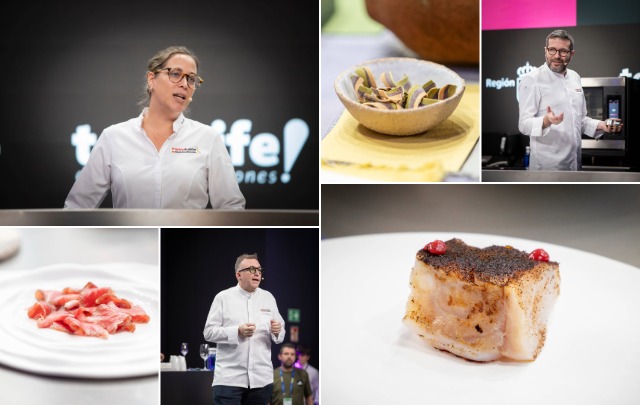
Madrid Fusión Alimentos de España relaunches its leadership as a comprehensive meeting platform for the international gastronomic community
News
Toni Massanés: ‘The cuisine of tomorrow will be sustainable or it will not be
‘We spend more than two hours a day on TikTok and we can't find two minutes to make a parsley omelette’, laments the creator of the Alicia Foundation
News
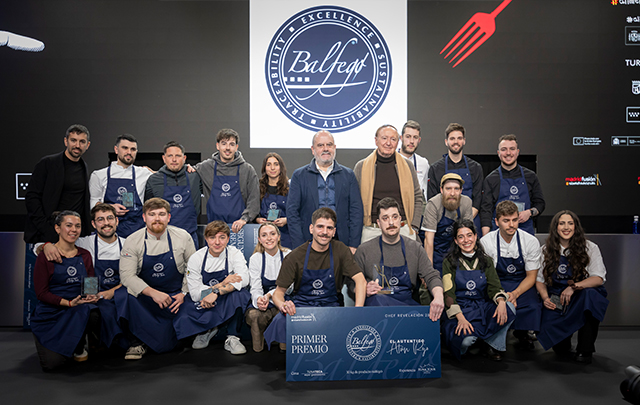
Javier Ochoa and Garikoitz Arruabarrena (Masta Taberna) win the Revelation Chef award for their haute cuisine without pretensions
News
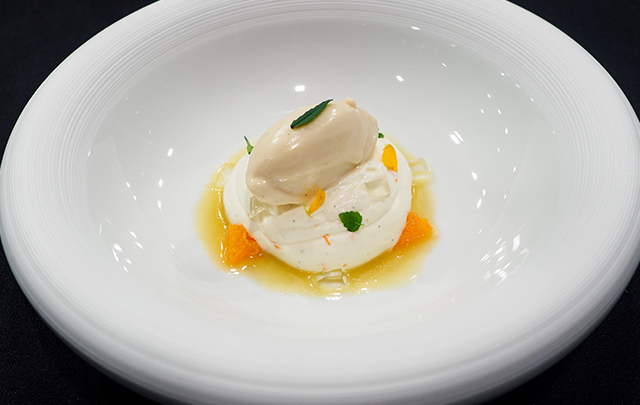
A Christmas-inspired dessert wins the Revelation Pastry Chef Award
Miguel Yeste, from the Madrid bakery Obrar, wins the coveted Madrid Fusión award
News
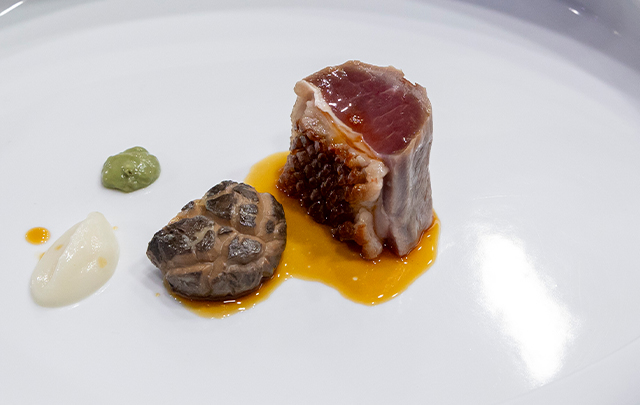
Good kilometre product
Madrid, the Neapolitan countryside, and the Philippines are stops on a gastronomic journey in which the protagonists focus on quality and relationships, rather than distance from the source
News
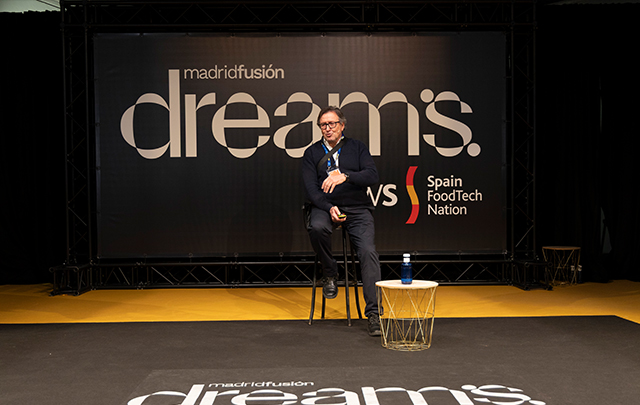
‘Salt and human health’: Science and the marine diet
Carlos Duarte reviews the millennial role of salt in well-being, health, and the economy for thousands of years at Dreams in Madrid Fusión
News
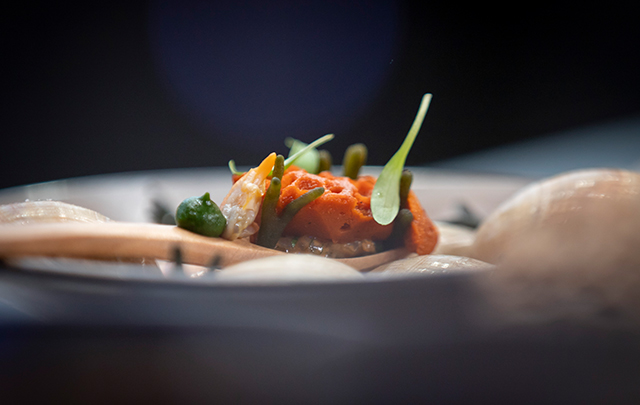
A philosophy inspired by nature
Gil Fernandes' cuisine, nestled between cliffs and forests, draws on local produce that the chef gathers with his own hands
News
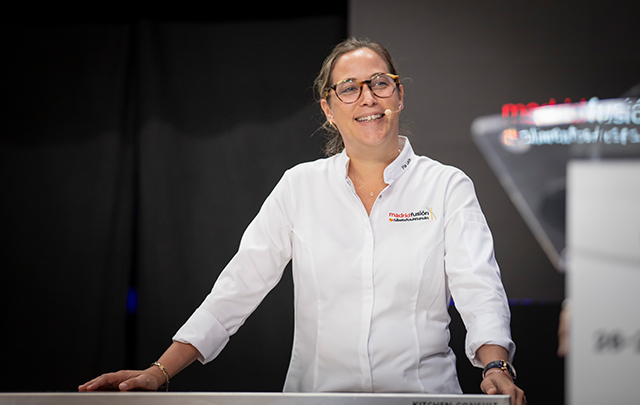
All the flavours of Peru on one table
Chef Pía León researches the uses of little-explored ingredients, which she also uses not only for cooking in her restaurant Kjolle
News

Genetic vertigo to create the food of the future
José Miguel Mulet, Professor of Biochemistry and Molecular Biology at the Polytechnic University of Valencia, speaks about genetic modification applied to food in the Dreams section of Madrid Fusión
News