News
More than 3,000 lasagnas per hour: speed in the kitchen

Will people stop cooking at home? Ready meals and frozen foods have not yet conquered the market, but they have a powerful ally: lack of time
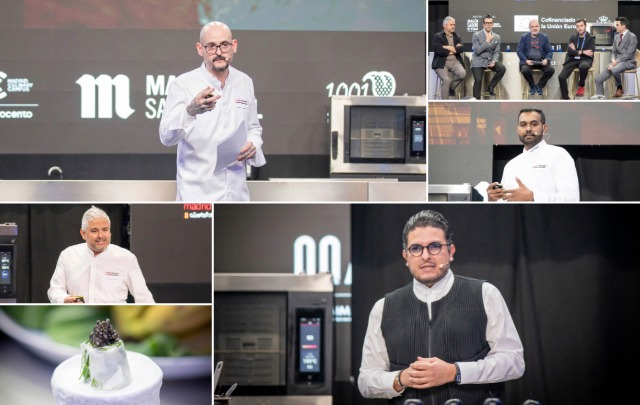
The lasagnas sold at Mercadona, ready to eat after three minutes in the microwave, are prepared on a 168-metre-long production line. ‘We make around 800,000 gratins per week. That's more than 3,000 per hour, and they're all the same’, says Raúl Martín, executive director of Familia Martínez, the suppliers of this ‘fresh lasagne’, along with other products such as ‘rice in metal trays’, or roast chicken. ‘They are tasty and simple solutions. If it is not good, no one will buy it. Quality is not at odds with good appearance and warmth’, he says at Dreams Madrid Fusión, during the forum “Eating without cooking. Are our kitchens going to disappear?”, with ready meals at the centre of the debate.
‘It's a very common trend in Spain’, says Laura Gil, head of the Customer area at Wordpanel Dominator. According to her data, ready meals are consumed at an average rate of 49 per person per year, with 11% ‘market penetration acceptance’, especially refrigerated meals (28%), followed by ‘ready-to-eat’ meals (13%) and frozen meals (12%). ‘We want grandma's recipe, but what we really want is to save time, which means there is more and more on offer’. However, there is a ‘fundamental stumbling block’: a lack of trust among families. ‘The scores are very low’, reveals Gil, who shows that in his surveys only 8% think that a ready-made dish is ‘as good’ as a homemade one, and 18% trust pre-cooked meals. ‘The sector must build that trust, but we are at the beginning, and it will continue to grow in the coming years’.
Emotional ingredient
The ingredient that needs to be worked on the most is the ‘soul’, according to Juanlu Fernández, chef at Lú Cocina y Alma in Jerez de la Frontera, who defines himself as the antithesis of the other speakers at the table. ‘The industry has to ensure that the soul is not lost. That's what home cooking has. Soul, love. Someone who has spent a morning cooking for you, from the moment they go to the market’. He acknowledges that ‘we must know how to evolve and manage’, because ‘the sound of the pressure cooker is gone. Now all you hear is the sound of food packages being opened’.
But how many people have time to spend the whole morning lovingly preparing lunch? What's more, does anyone know enough to make a dish succulent, apart from having good intentions? ‘Who makes a better potato omelette than a supermarket shelf?’ asks Martín, whose company also makes traditional dishes such as pork knuckle and stuffed aubergine. And he answers: ‘I don't. Without confrontation, there is room for gastronomy and for improving the daily life of someone like my father, who is over eighty and a widower. Now he has the option of eating healthily at home’.
While trends in homes are changing, and renovations are beginning to integrate kitchens into living rooms, making them a ‘multifunctional’ space at the centre of the home, according to Manuel Delgado, head of interior design at Ikea in Spain, the evolution in the way we eat seems to prove Martín right, at least little by little. ‘The market is moving towards differentiated offerings that run parallel to each other. Both (cuisine that guarantees an “experience” and cuisine that is easy for “practical” people) are satisfied and do not interfere with each other’. Meanwhile, according to Ikea's latest study, renovated kitchens are also used for working during this period of teleworking, and for helping children with their homework.
Related news
News
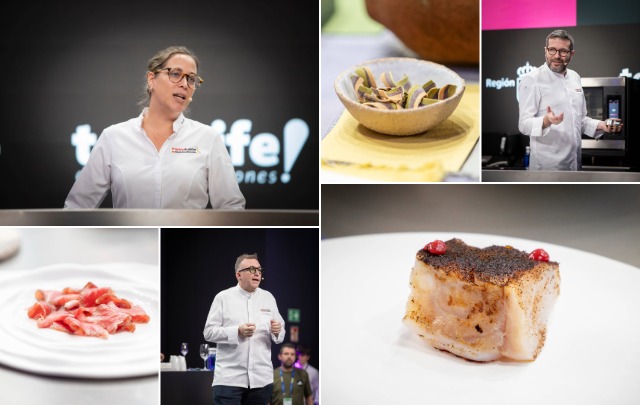
Madrid Fusión Alimentos de España relaunches its leadership as a comprehensive meeting platform for the international gastronomic community
News
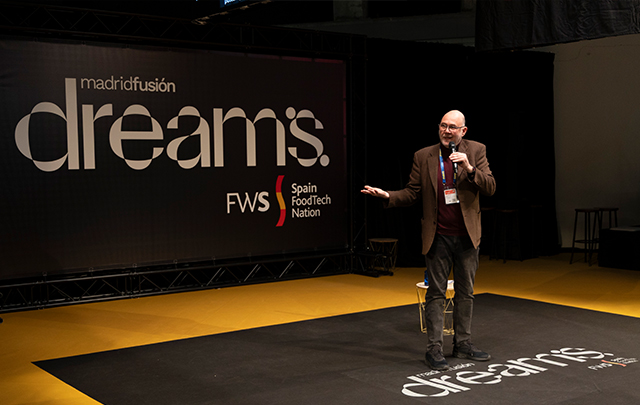
Toni Massanés: ‘The cuisine of tomorrow will be sustainable or it will not be
‘We spend more than two hours a day on TikTok and we can't find two minutes to make a parsley omelette’, laments the creator of the Alicia Foundation
News
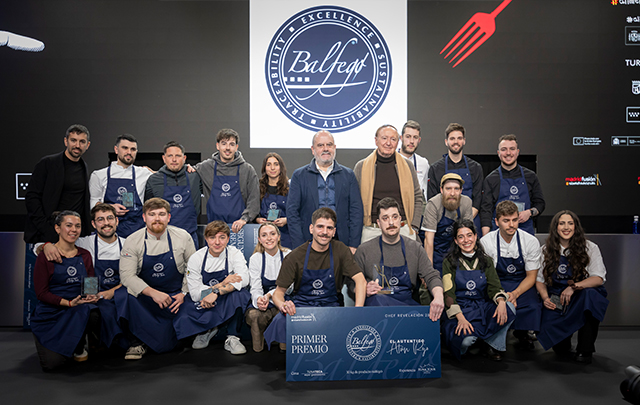
Javier Ochoa and Garikoitz Arruabarrena (Masta Taberna) win the Revelation Chef award for their haute cuisine without pretensions
News
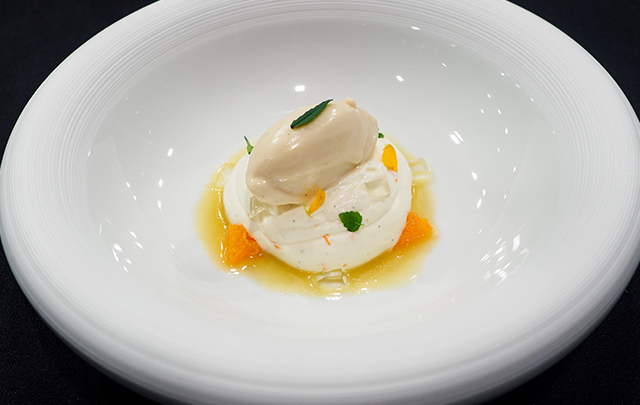
A Christmas-inspired dessert wins the Revelation Pastry Chef Award
Miguel Yeste, from the Madrid bakery Obrar, wins the coveted Madrid Fusión award
News
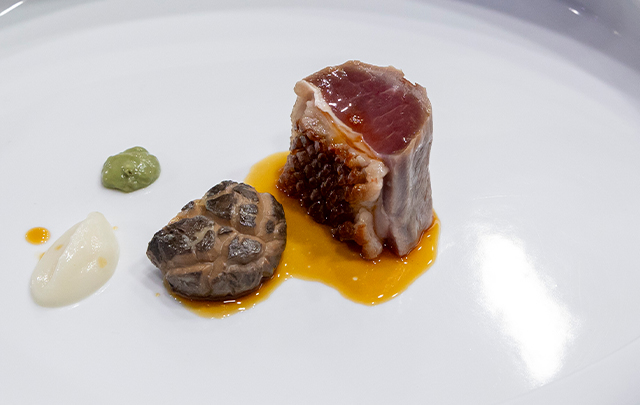
Good kilometre product
Madrid, the Neapolitan countryside, and the Philippines are stops on a gastronomic journey in which the protagonists focus on quality and relationships, rather than distance from the source
News
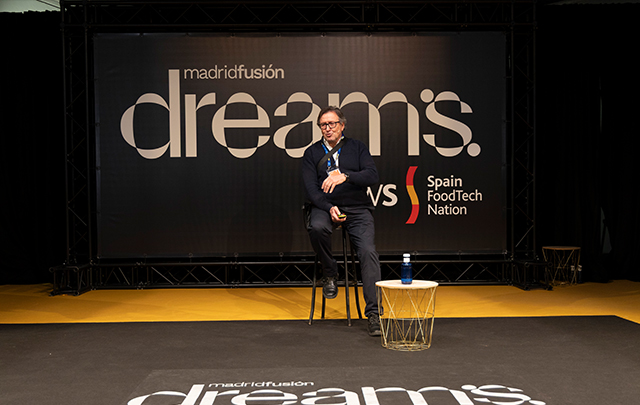
‘Salt and human health’: Science and the marine diet
Carlos Duarte reviews the millennial role of salt in well-being, health, and the economy for thousands of years at Dreams in Madrid Fusión
News
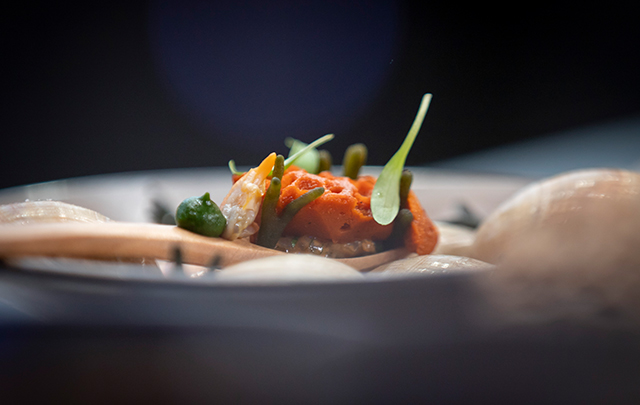
A philosophy inspired by nature
Gil Fernandes' cuisine, nestled between cliffs and forests, draws on local produce that the chef gathers with his own hands
News
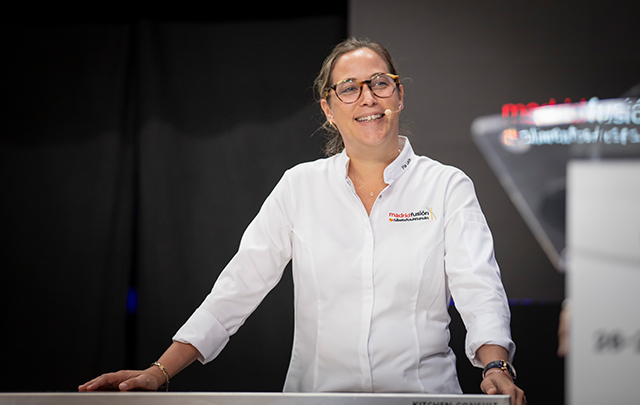
All the flavours of Peru on one table
Chef Pía León researches the uses of little-explored ingredients, which she also uses not only for cooking in her restaurant Kjolle
News

Genetic vertigo to create the food of the future
José Miguel Mulet, Professor of Biochemistry and Molecular Biology at the Polytechnic University of Valencia, speaks about genetic modification applied to food in the Dreams section of Madrid Fusión
News