News
Making the most of offal... haute cuisine
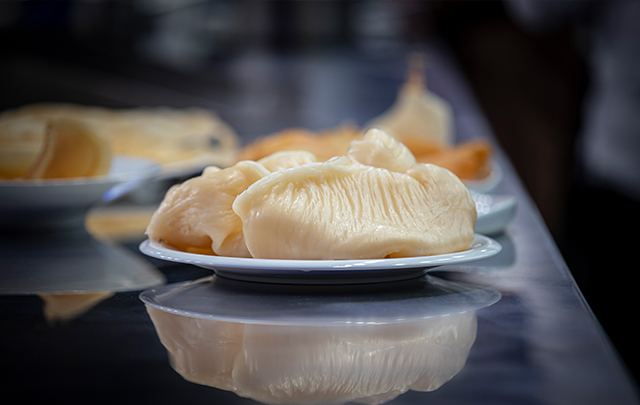
Chef Vicky Cheng gives a masterclass on the culinary and medicinal properties of fish bladders, after drying and rehydrating them
Some call it guts, others call it entrails, and there are even those who specify that it is the belly of the fish, the stomach area; whatever the case, chef Vicky Cheng subjects it to a process of drying and rehydration, to turn it into one of the tastiest and most sought-after dishes by her customers at her Michelin-starred restaurant, Wing in Hong Kong.
Cheng was born in this region of China but trained in French cuisine in the United States and Canada before returning to his hometown in 2011. There, he has become one of the most respected chefs when it comes to fusing traditional Chinese cuisine with that of other cultures, especially French, and subjecting them to innovative techniques that have marked his style: classic flavours reinterpreted with creativity.
One of the ingredients he is most enthusiastic about is what he calls ‘the swim bladder, a kind of balloon inside fish that swim in very deep waters, and need it to float and sink in the ocean without expending too much energy’, he explained.
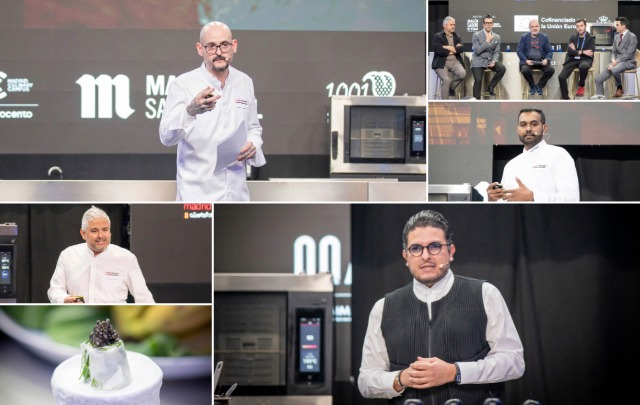
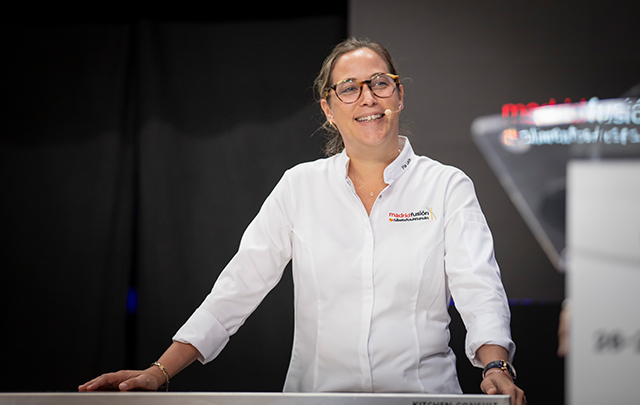
Before a packed audience at Madrid Fusión, under the title “Chinese cuisine without borders”, Cheng gave a masterful demonstration of the gastronomic possibilities offered by this “swim bladder” and his unique way of cooking it.
Asthma, pain and menstruation
During his exhibition, he took the opportunity to explain that in China, dried fish guts, in addition to being ‘delicious and nutritious’, have medicinal properties, which is why they are highly valued by diners. In fact, he showed dried entrails from different types of fish, some with analgesic properties, others to regulate women's periods, and others, he said, excellent for combating asthma.
Aside from these issues, Cheng presented a video explaining the process of extracting and drying the guts, which are later boiled (to rehydrate them) and left to cool for three to ten days (depending on the size of the piece) until they take on a gelatinous appearance. ‘They look like sea cucumbers, with that slippery texture, like a mass of rubber’, he described.
The chef even showed a piece that was not too large, valued at 800 euros, and said that there are restaurants in Hong Kong that offer dried tripe that is up to 20 years old, i.e. from the insides of fish caught when the oceans were much cleaner than they are now. In his restaurant, he usually cooks tripe that is on average twelve years old, which he then serves with rice and a collagen-rich broth made from chicken bones, pork, and vegetables such as chives.
Cheng admitted that this idea of drying fish tripe and cooking it is not yet widespread and may even be off-putting, but he pointed out that in Spain it is already done with dried cod (specifically, he mentioned cod tripe), and wondered why it is not done with other fish, even suggesting that it would add a special flavour to our traditional paella. ‘I think that by using the same ingredient, you can have different expressions, and that's a way of bringing cultures together through gastronomy’, said the chef, who revealed his secret: devote ‘a lot of time’ to learning how to make traditional dishes, and then inject them with your own DNA, ‘creating small or large new traditions’.
Related news
News
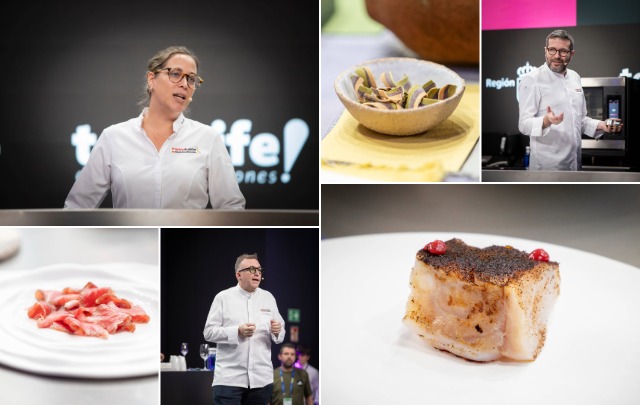
Madrid Fusión Alimentos de España relaunches its leadership as a comprehensive meeting platform for the international gastronomic community
News
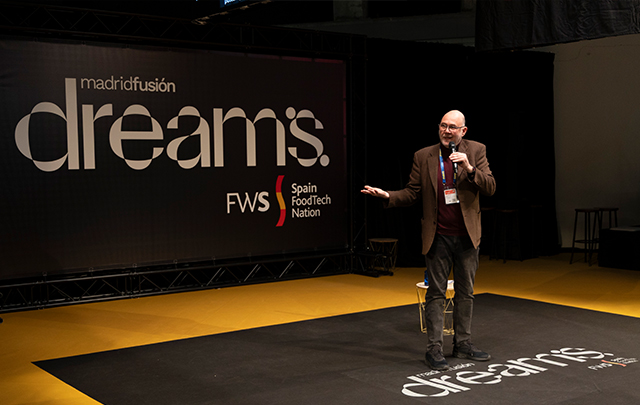
Toni Massanés: ‘The cuisine of tomorrow will be sustainable or it will not be
‘We spend more than two hours a day on TikTok and we can't find two minutes to make a parsley omelette’, laments the creator of the Alicia Foundation
News
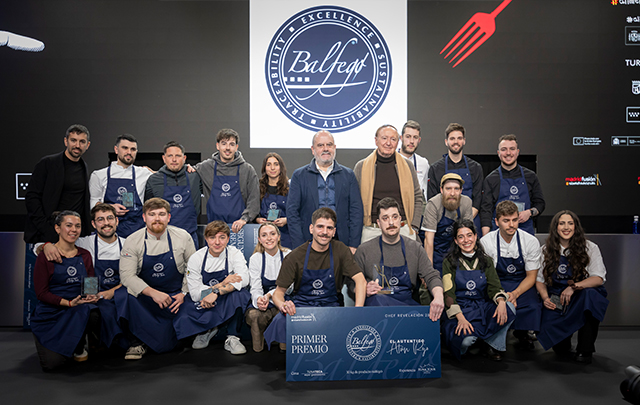
Javier Ochoa and Garikoitz Arruabarrena (Masta Taberna) win the Revelation Chef award for their haute cuisine without pretensions
News
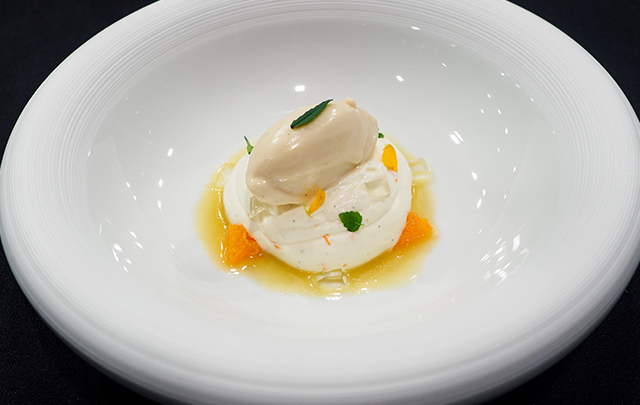
A Christmas-inspired dessert wins the Revelation Pastry Chef Award
Miguel Yeste, from the Madrid bakery Obrar, wins the coveted Madrid Fusión award
News
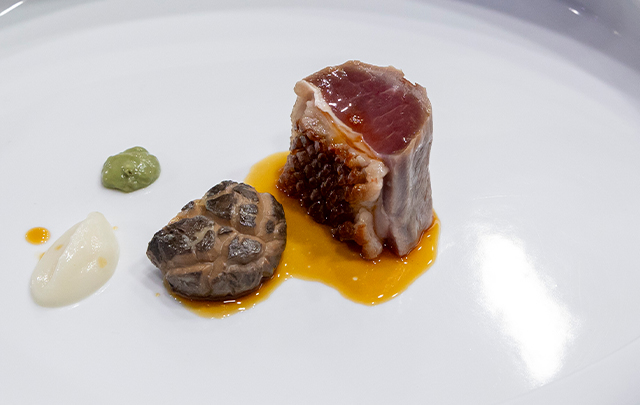
Good kilometre product
Madrid, the Neapolitan countryside, and the Philippines are stops on a gastronomic journey in which the protagonists focus on quality and relationships, rather than distance from the source
News
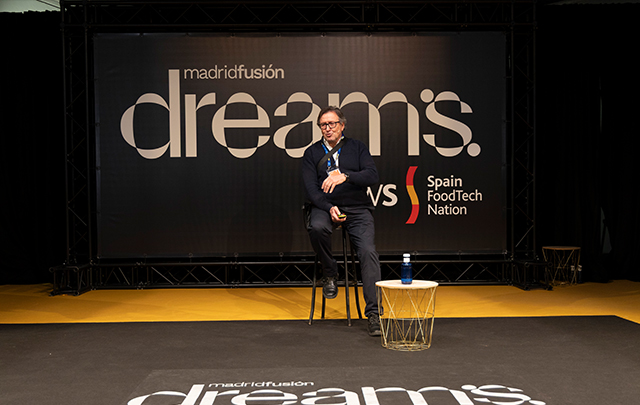
‘Salt and human health’: Science and the marine diet
Carlos Duarte reviews the millennial role of salt in well-being, health, and the economy for thousands of years at Dreams in Madrid Fusión
News
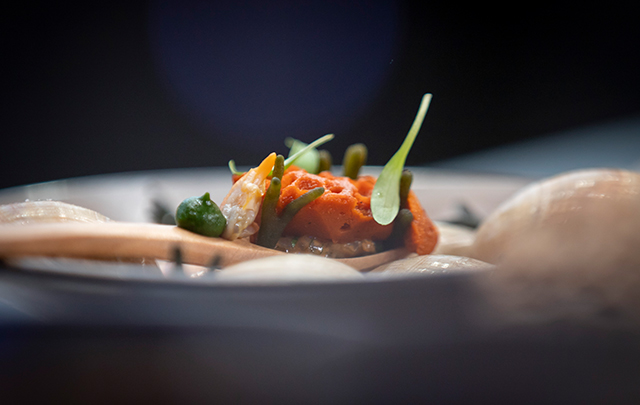
A philosophy inspired by nature
Gil Fernandes' cuisine, nestled between cliffs and forests, draws on local produce that the chef gathers with his own hands
News
All the flavours of Peru on one table
Chef Pía León researches the uses of little-explored ingredients, which she also uses not only for cooking in her restaurant Kjolle
News

Genetic vertigo to create the food of the future
José Miguel Mulet, Professor of Biochemistry and Molecular Biology at the Polytechnic University of Valencia, speaks about genetic modification applied to food in the Dreams section of Madrid Fusión
News