News
Chefs call for less regulation and to sit down with ‘those who have the power to legislate’
They point to laws that prevent them from extending working hours, or updating the vocational training curriculum, so that restaurants do not have to close
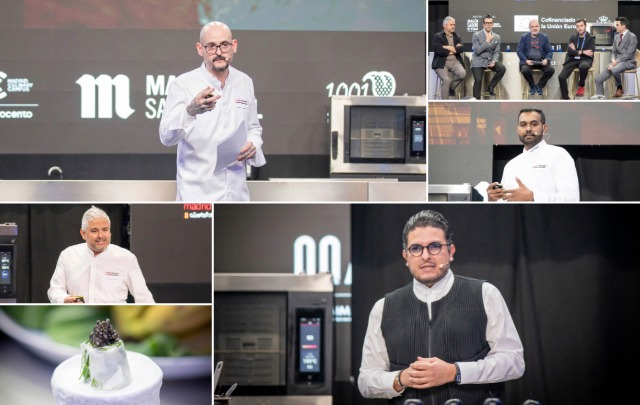
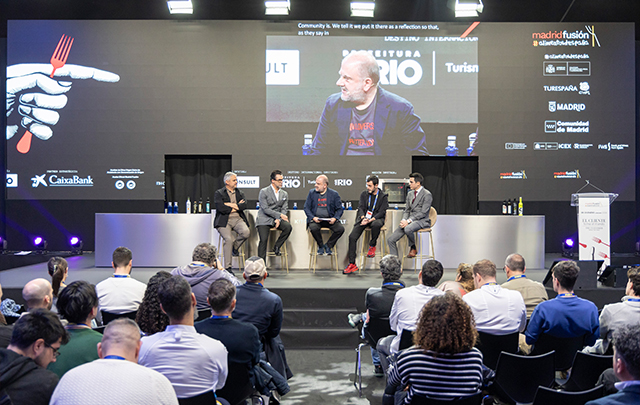
Beneath the tablecloth, behind the joy of good food, there is a crisis in the restaurant sector. Both small restaurants and chains. ‘There is a great desire to prosper, starting with a small restaurant, but it is becoming increasingly difficult because we are hyper-regulated in everything’, says Nandu Jubany, chef at Can Jubany, on the second day of Madrid Fusión. ‘There is one issue, that of working hours, which we tailor to suit our needs. But if someone wants to work more, they can't. Only 80 hours of overtime per year are allowed in the same establishment. You can do more if you do it next door’.
These types of regulations reduce the sector's efficiency, according to the chefs gathered at the conference “Self-sustainability and the future of the culinary profession”. ‘Our restaurants should not only be exemplary, but also efficient’, maintains Quique Dacosta, chef at Quique Dacosta Restaurant, who calls for a ‘direct interlocutor’ in order to ‘preserve and care for what represents a historical and cultural heritage, the Spain brand, the product we sell to the world, which is gastronomy’.
When detailing the causes of these problems, they find that ‘legislation lumps a wide variety of cases into one big bag, and generalised solutions do not fix anything’, summarises Ricard Camarena, chef at Restaurante Ricard Camarena, who also refers to the rule that employees work a maximum of 40 hours a day. ‘The problem is that we don't have a place to talk about this openly and express ourselves. It's something we've been dragging along for years. In the end, we spend more time fighting against imposed circumstances than generating real value. We spend more time removing obstacles than moving forward. Trying to include all types of restaurants in a hospitality agreement is impossible’.
Dacosta agrees: ‘We understand that this is about providing jobs and creating a circular economy, but also about helping those who have the power to legislate and don't understand anything about what goes on in our restaurants’. ‘It would be interesting to ask those within the industry what problems we have. The hospitality industry is rotting, and no one is doing anything about it’, affirms Israel Ramírez, maître d' at Saddle. ‘The vocational training curriculum has not been updated for so long that it talks about things that no longer happen and does not mention technologies. When they try to update it, we will not be at the table. Young people today are not inspired with passion’.
Camarena continues: ‘The current legislation does not provide solutions to problems. We have to give up on opening more shifts in restaurants, or we have to close services, because we don't have enough staff. The most important asset is the workers. The employee is the one who holds the reins. Many years ago, we were in a vulnerable situation. That's over now.
When I open a restaurant, my biggest fear is that my staff will be poached. But now the system does not allow people to progress and earn money.’ There are plenty of examples of restaurants that have had to close, say the chefs, including their own.
Related news
News
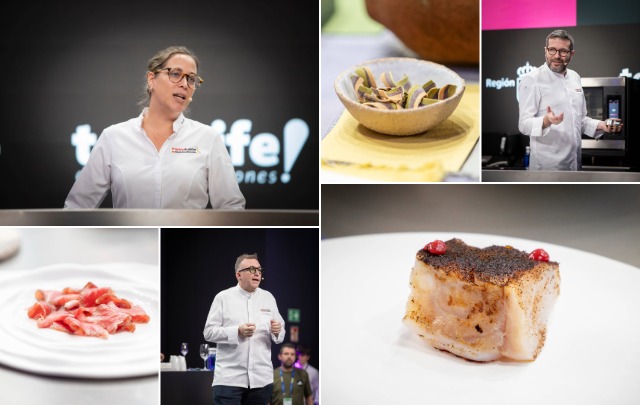
Madrid Fusión Alimentos de España relaunches its leadership as a comprehensive meeting platform for the international gastronomic community
News
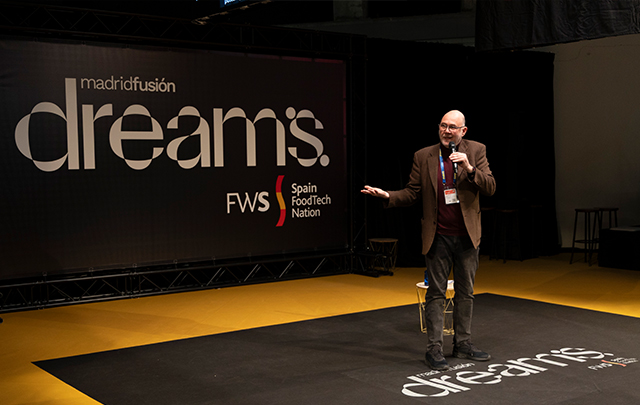
Toni Massanés: ‘The cuisine of tomorrow will be sustainable or it will not be
‘We spend more than two hours a day on TikTok and we can't find two minutes to make a parsley omelette’, laments the creator of the Alicia Foundation
News
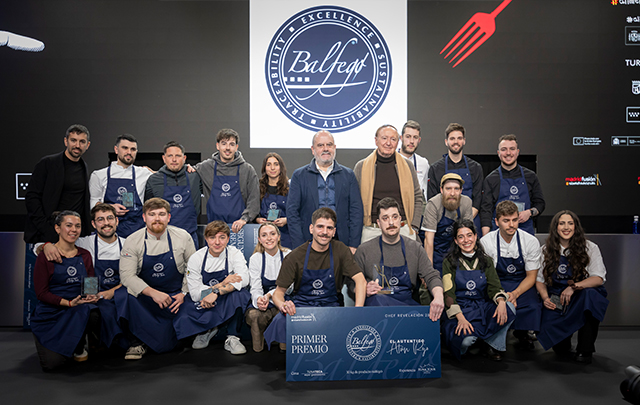
Javier Ochoa and Garikoitz Arruabarrena (Masta Taberna) win the Revelation Chef award for their haute cuisine without pretensions
News
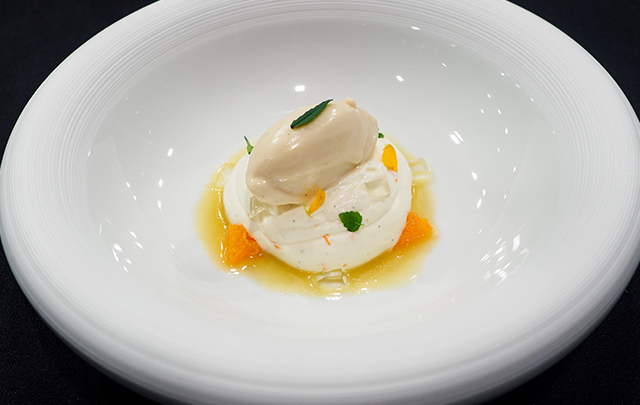
A Christmas-inspired dessert wins the Revelation Pastry Chef Award
Miguel Yeste, from the Madrid bakery Obrar, wins the coveted Madrid Fusión award
News
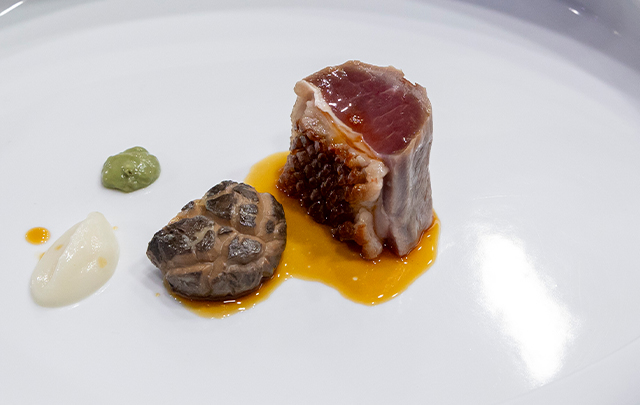
Good kilometre product
Madrid, the Neapolitan countryside, and the Philippines are stops on a gastronomic journey in which the protagonists focus on quality and relationships, rather than distance from the source
News
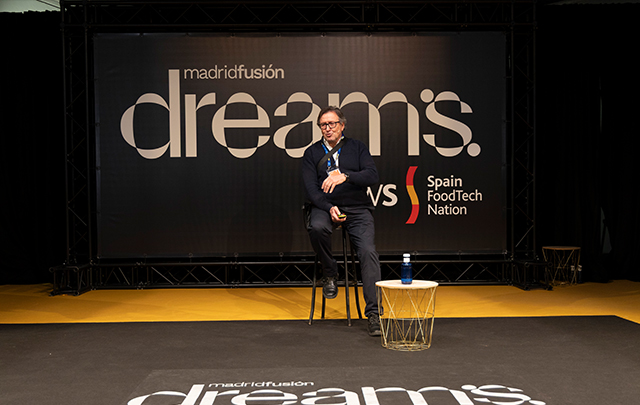
‘Salt and human health’: Science and the marine diet
Carlos Duarte reviews the millennial role of salt in well-being, health, and the economy for thousands of years at Dreams in Madrid Fusión
News
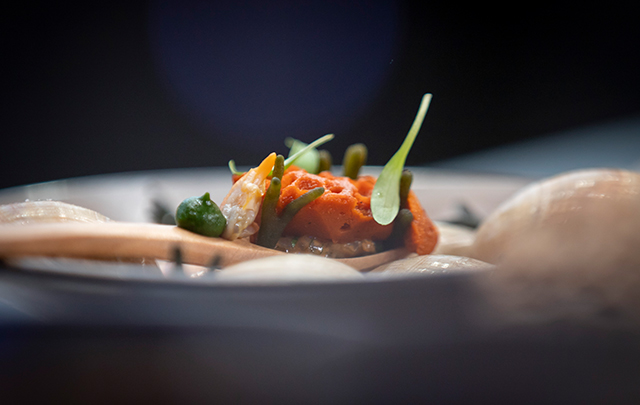
A philosophy inspired by nature
Gil Fernandes' cuisine, nestled between cliffs and forests, draws on local produce that the chef gathers with his own hands
News
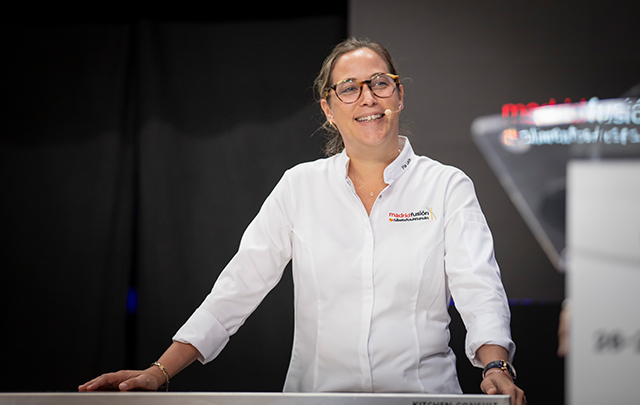
All the flavours of Peru on one table
Chef Pía León researches the uses of little-explored ingredients, which she also uses not only for cooking in her restaurant Kjolle
News

Genetic vertigo to create the food of the future
José Miguel Mulet, Professor of Biochemistry and Molecular Biology at the Polytechnic University of Valencia, speaks about genetic modification applied to food in the Dreams section of Madrid Fusión
News